What does the US-Iran ceasefire mean for the Strait of Hormuz?
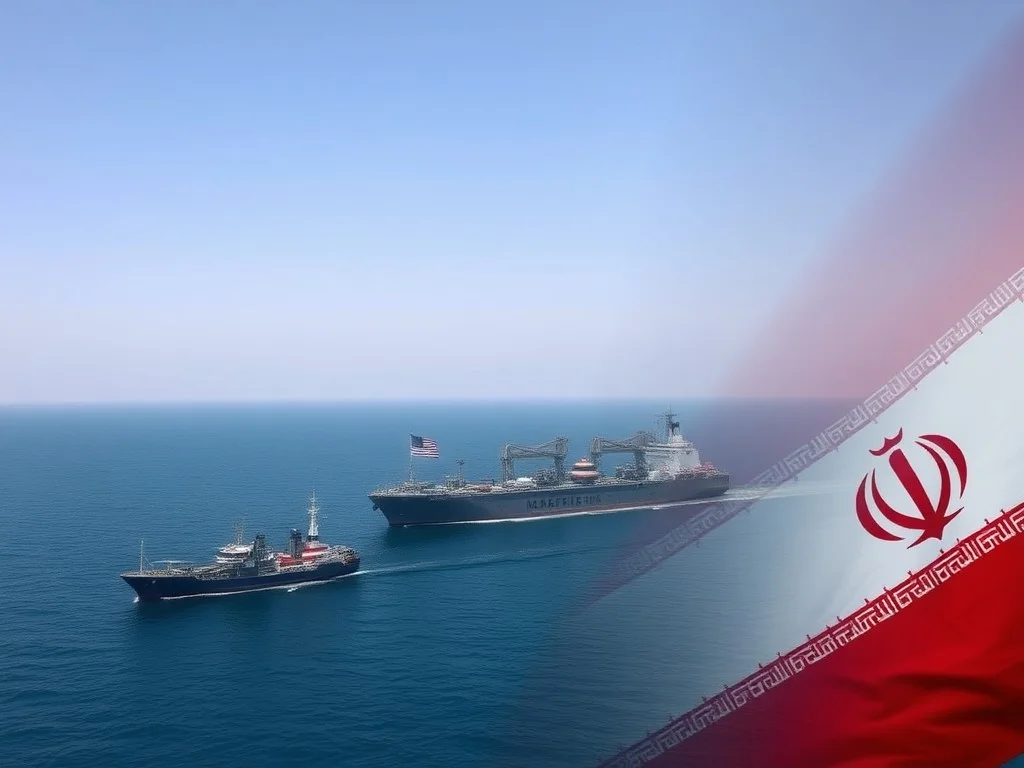
This image was generated by AI and may not depict real events.
A two-week ceasefire between the US, Israel, and Iran has raised questions about the operation of the strategic Strait of Hormuz, a vital waterway for global oil supplies. The ceasefire is contingent on Iran reopening the strait, but a full resumption of shipping has yet to be guaranteed, with shippers seeking clarity on the terms of the truce.
The US, Israel, and Iran have agreed to a two-week ceasefire, narrowly averting a major escalation of the Middle East war. The pause in US strikes is contingent on Iran reopening the Strait of Hormuz, a vital waterway for global oil supplies. Iran has warned that any ships attempting to sail through the strait without permission will be targeted and destroyed. However, the country has offered safe passage in coordination with its armed forces. The first vessel has transited the strait with Iran's permission, according to state TV. Shipping companies remain cautious, with Denmark's Maersk saying the ceasefire may create transit opportunities but does not yet provide full maritime certainty. A dispute has emerged between Iran and Oman over proposed transit fees for ships passing through the strait. Iran argues it is responsible for securing the waterway and should be allowed to charge vessels for safe passage. The US military will remain in the Middle East to ensure Iran complies with the ceasefire. Talks between Iranian and US delegations are set to take place in Islamabad to cement the fragile truce.
This content was automatically generated and/or translated by AI. It may contain inaccuracies. Please refer to the original sources for verification.